Shreveport Louisiana Casinos and the Red River Low Limit Slots Reality
The slot floor at Shreveport Louisiana Casinos along the Red River corridor is not a charity operation, and anyone who thinks low-denomination machines are a soft touch has never audited a par sheet in their life. I have pulled apart the math on these riverboat and land-based floors for years, and the pattern is brutal: the cheaper the spin, the tighter the hold, and the faster the meter grinds your bankroll into dust. 🎰
What most players miss is that Red River Low Limit Slots are engineered around a specific psychological trap. You sit down at a penny or two-cent machine thinking you are bleeding twenty cents a spin, but the average bet per spin on those multi-line, multi-way configurations routinely lands between sixty cents and a dollar twenty. Multiply that by six hundred spins an hour and you are cycling serious money through a machine with a house edge that quietly sits in the four to eight percent band on the low-limit side. The high-limit room looks scary, but the hold percentage there is often gentler. That is the inversion nobody talks about.
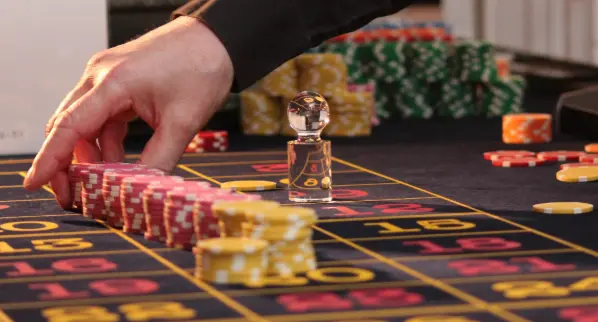
Why the Riverboat Floor Tightens the Cheap Seats
Here is the mechanical truth about Shreveport Louisiana Casinos and their slot configurations. Low-limit machines generate volume, and volume is where the operator makes the real margin. The floor managers do not need a predatory edge on a single spin; they need you spinning more often and stopping less. So the low-denomination cabinets get tuned with lower hit frequency on the top awards and heavier dead-spin clustering. You feel like you are "close" because the reels tease the bonus symbol constantly, but the RNG cycle behind that tease is calibrated to keep the trigger rate below one in a hundred and fifty on many of these units. That is not luck. That is a designed drought. 💀
The audit angle I always push is the volatility profile. Low-limit slots in this market skew toward high volatility with a brutal top-heavy paytable, which is the worst combination for a recreational player with a fixed session budget. You get long stretches of nothing, then a single line hit that barely restores you. The variance eats your time on device, and time on device is exactly what the floor is selling.

The Meter Math You Need to Understand Before You Sit Down
Run the numbers yourself and stop guessing. If a machine advertises a ninety-two percent return, that means eight cents of every dollar cycled stays with the house. At a dollar-twenty average bet and six hundred spins an hour, you are cycling roughly seven hundred twenty dollars an hour. Eight percent of that is about fifty-eight dollars an hour in expected loss. That is the real price of a "cheap" penny session, and it dwarfs the cost of a single hundred-dollar spin on a higher-denomination machine with a two percent hold. The Red River Low Limit Slots pitch is a volume game, and volume always favors the house. 🧮
The tell is in the paytable transparency. Grab the machine's help screen and check the hit frequency and the top award cap. If the max win is capped low relative to bet, the machine funds its return through frequent small hits that feel good but never move your session number. That is a treadmill, not a payout. Operators love it because the psychological feedback loop keeps seats warm and the coin-in meter spinning.
The Hardware and RNG Layer Most Players Ignore
Every cabinet on these floors runs a certified RNG with a defined cycle length, and the low-limit units are often older platforms with tighter cycle budgets and less generous bonus frequency. The hardware does not care about your hot streak. The paytable and the random draw are fixed, and the only variable you control is spin count and denomination. So the smart play on a low-limit floor is to cap your session by spin count, not by dollar loss, because the meter grinds regardless of how the reels look. Set a hard spin ceiling, walk when you hit it, and treat the bonus tease as decoration, not a signal.
One more mechanical detail: the multi-line penny machines often require maximum bet to unlock the full paytable, and the low-limit marketing hides that in the fine print. Check the bet requirement before you commit, because a penny machine at minimum bet with a disabled top award is a strictly worse proposition than a quarter machine at full coin. That single line item changes the entire expected value calculation, and it is the exact lever the floor relies on to keep the cheap seats profitable.